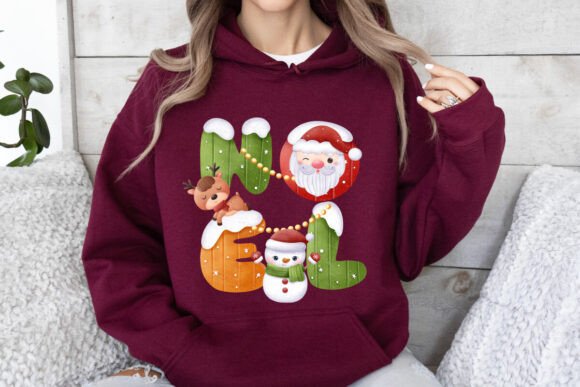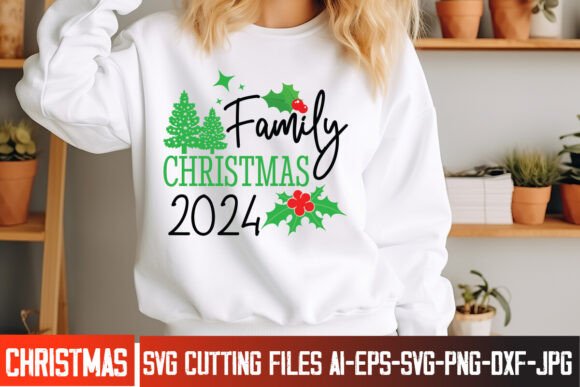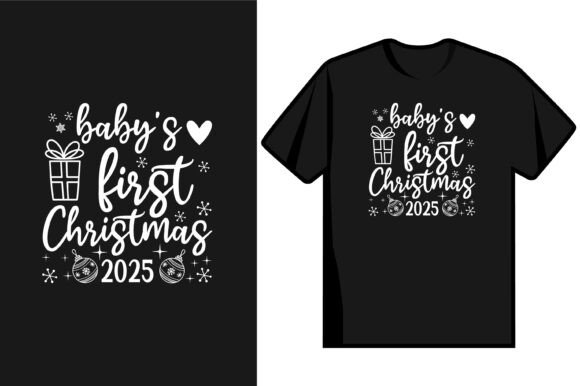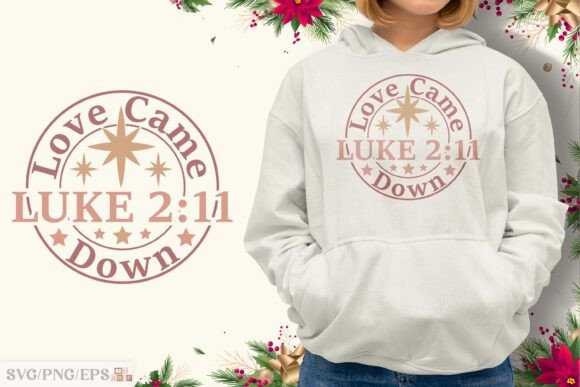
Christmas Cutie T-Shirt Design: Festive Vector Assets
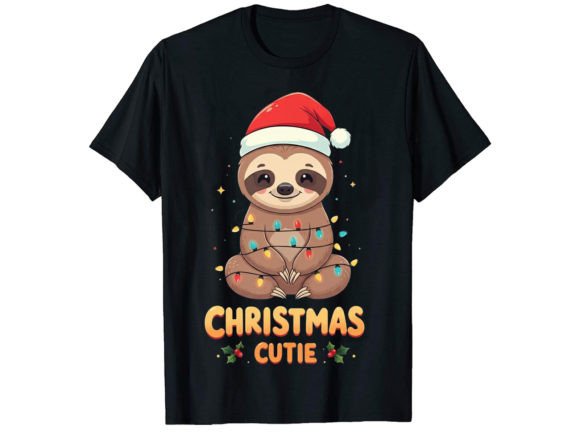
Imagine a sloth, wearing a tiny Santa hat, hanging lazily from a candy cane with the text "Christmas Cutie" in a playful, rounded font. This specific Christmas Cutie T-Shirt Design concept is more than just a seasonal graphic; it represents a powerful trend in modern apparel branding. In a saturated market, designers are moving away from generic clip art toward character-driven, high-quality vector assets that evoke emotion. Whether you are building a brand identity for a print-on-demand store or creating marketing materials for a holiday campaign, the right design asset serves as the foundation of your visual communication strategy.
The Power of Character-Driven Visual Design
Modern design trends favor relatability and humor. The "Sloth" niche, in particular, has seen a surge in popularity because it combines the universal love for animals with a laid-back, humorous attitude. When applied to graphic design, this imagery does more than decorate a surface; it creates an immediate connection with the viewer. A high-quality vector file allows for infinite scalability, ensuring that the design looks crisp on a business card or a large format poster. This versatility is crucial for maintaining a consistent brand identity across multiple touchpoints, from social media graphics to physical merchandise.
Technical Specifications for Professional Results
For creators, the utility of an asset lies in its technical execution. A professional-grade Christmas Cutie T-Shirt Design typically comes as a high-resolution PNG file—often 4500x5400 pixels at 300 DPI. This specification is vital for print design because it ensures color vibrancy and sharp edges during the sublimation or DTG (Direct to Garment) printing process. Without these technical foundations, even the most creative idea can result in a blurry, unprofessional final product. Access to mockups further streamlines the design workflow, allowing creators to visualize the final product before committing to production.
Practical Applications Across Creative Projects
The versatility of a well-crafted illustration extends far beyond a single application. A single asset, such as this sloth design, can be repurposed to solve various visual challenges. By utilizing these creative assets, you can maintain visual consistency while adapting to different formats.
- Merchandise & Apparel: Beyond T-shirts, this design adapts seamlessly to hoodies, mugs, caps, and phone covers. The high-contrast elements ensure visibility on various fabric colors and material textures.
- Digital Marketing & Social Media: Use the design as a focal point for Instagram posts, Facebook ads, or Pinterest pins. It serves as excellent visual hierarchy material for holiday promotions.
- Editorial & Packaging Design: Incorporate the illustration into holiday newsletters, gift tags, or product packaging to add a whimsical, seasonal touch that enhances the unboxing experience.
Optimizing Your Design Workflow
When integrating stock assets or premium designs into your projects, evaluation is key. Assess the color palette of the asset against your existing brand system. Does the illustration complement your typography choices? Is the style consistent with your broader UI/UX design language? For example, a vintage-style sloth illustration might pair best with serif typography and muted tones, while a modern vector graphic works well with sans-serif fonts and bold colors. Always ensure the file format (such as PNG or SVG) is compatible with your editing software to facilitate easy customization.
Elevating Communication Through Quality Assets
Ultimately, the goal of any visual design is to communicate a message effectively. A "Christmas Cutie" design communicates warmth, humor, and seasonal joy instantly. By prioritizing high-quality, professional-grade assets, designers and business owners can significantly reduce production time while elevating the perceived value of their products. Thoughtful design choices—selecting the right illustration, ensuring technical print-readiness, and applying it consistently—transform a simple graphic into a powerful tool for engagement and brand growth.